By: Jessica Chang
This essay is modified from the response to a UChicago supplemental essay, which asked “what can actually be divided by zero?”
Read MoreBy: Jessica Chang
This essay is modified from the response to a UChicago supplemental essay, which asked “what can actually be divided by zero?”
Read MoreBy: Bobin Park
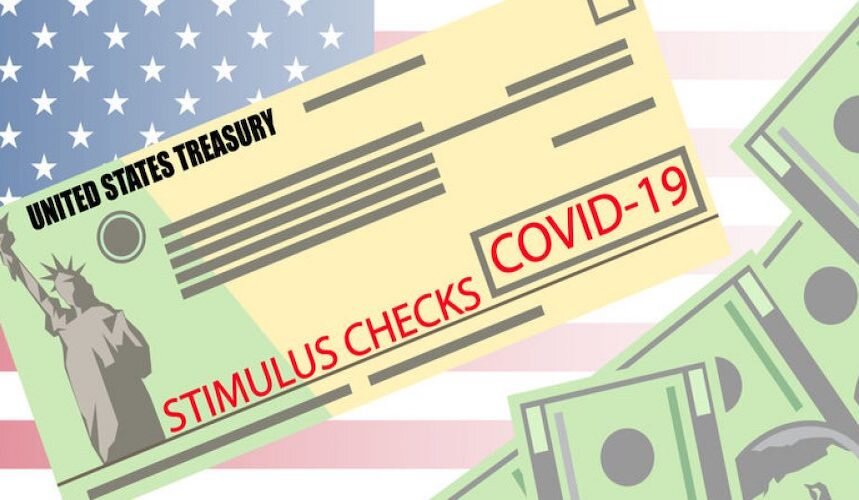
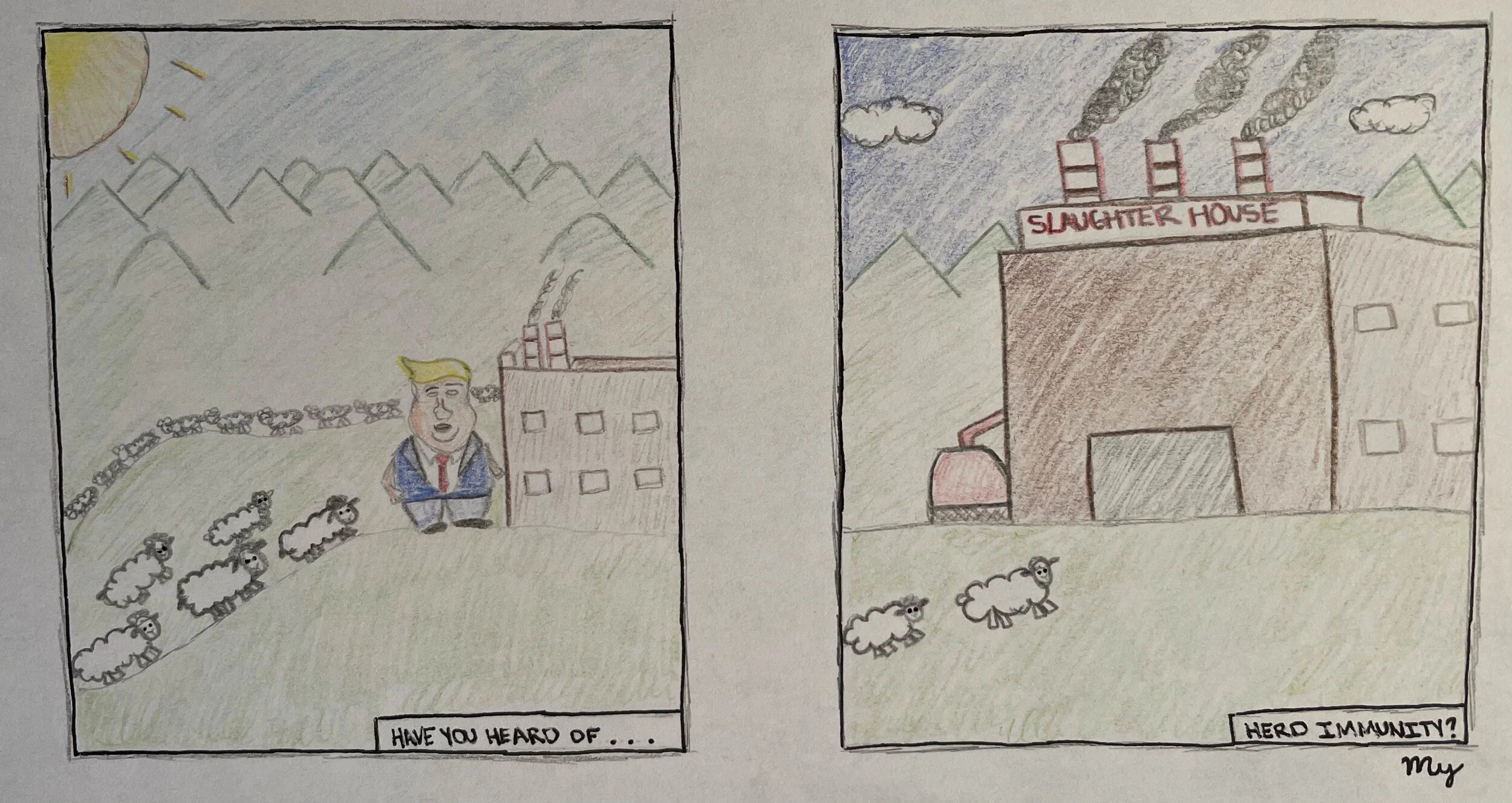
After suffering devastating losses over the virus, more than 400 thousand cases in the U.S. alone, lawmakers in Congress have finally approved the $900 billion Covid relief package. However, this Tuesday, Trump refused to sign the new relief package.
Read MoreBy: Aambar Agarwal
In the past few weeks, as cases and deaths continue to rise, two COVID-19 vaccines have been authorized by the FDA for emergency use: one made by Pfizer and BioNTech and the other by Moderna. Here’s a quick rundown of everything you should know.
Read MoreBy: Caroline Jung
August 6, 2019, around 9pm. After a mindblowing Broadway performance of The Phantom of the Opera, my family and I made our way through Times Square to go back to our hotel in Manhattan. Excited voices filled the cool night air and the city was alive and relaxed. Or, that is, until that atmosphere morphed into confusion, suspicion, and fright. Bang! Bang! Bang! Bang! Everyone froze.
Read MoreBy: Snigdha Cingireddi
The Coronavirus epidemic occurred in late 2019, but the American recovery could be closer than expected with the hopes of a possible recovery with a Moderna vaccine. This poses a lot of problems, though, such as what happens after the pandemic? Will we really restore the depleting prestige of America? How is the world's most strong nation going to recover?
Read MoreBy: Sumedha Mahesh
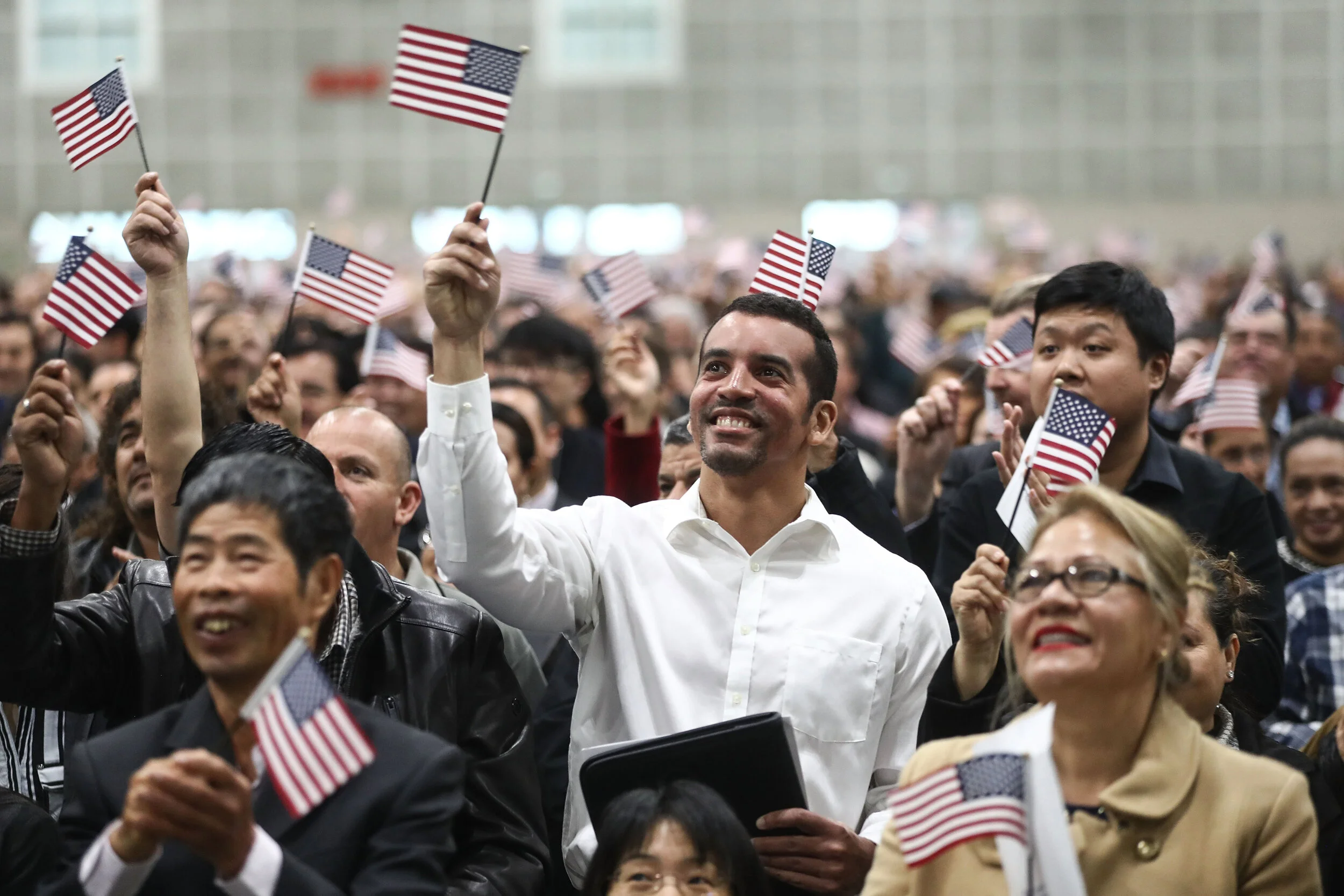
The local news media portrays two extremes of our current world situations, especially on the issue of immigration. Many of us may be confused on what the true issue is and may have assumptions on what immigrants actually go through, their intentions, and the individuals in general.
Read MoreBy: Nicole Lavelle
As COVID-19 cases continue to surge in the United States entering the winter season, lockdowns, closings, and shutdowns are inevitable. A second wave means different things for Americans. Businesses are shutting down, unemployment is up, and millions of Americans are facing food insecurity. Food insecurity is currently at extremely high levels, which can have disastrous effects on people’s health in the future.
Read MoreBy: Marie York
Read MoreBy: Sumedha Mahesh
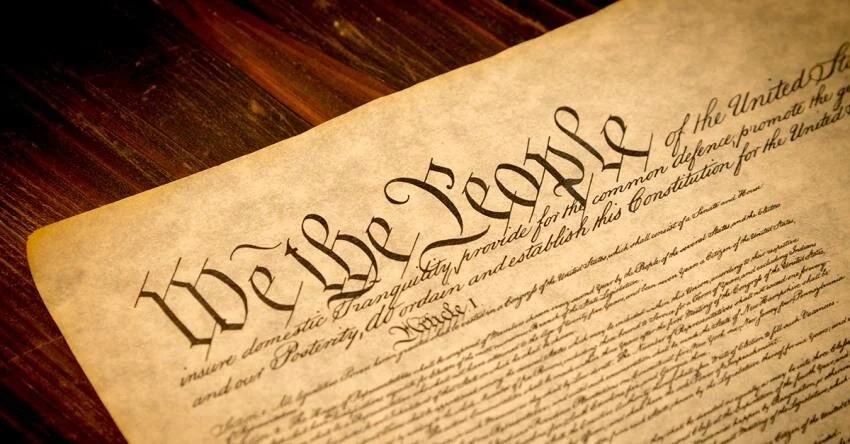
The constitution, a document that has been America’s foundation for well over 200 years, is the building block of the country that we live in. For centuries, individuals and leaders have looked to the constitution when an unprecedented problem has arisen and have seeked guidance through it.
Read MoreBy: Angela Ryan
Read MoreBy: Kaila Morris
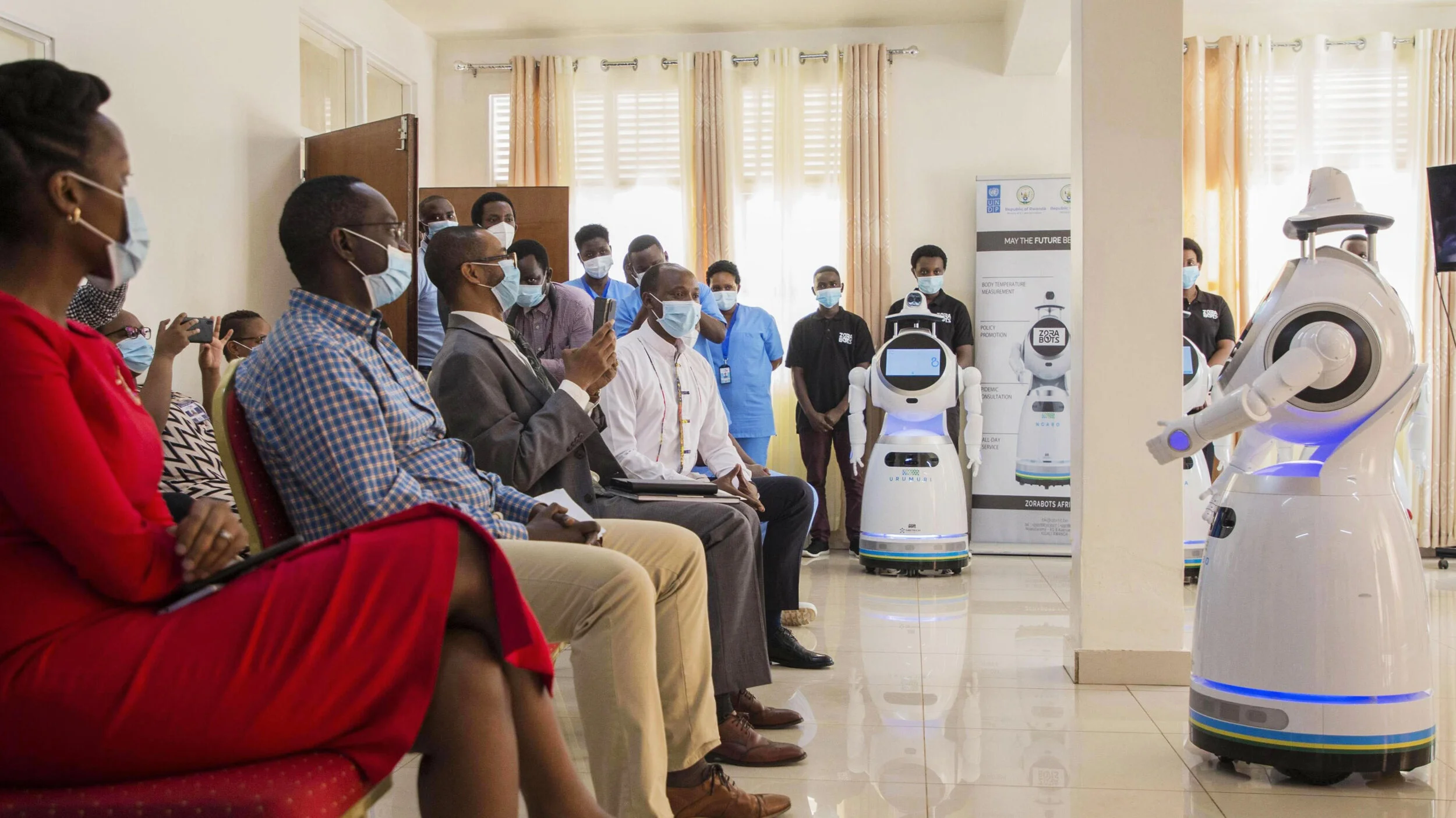
With only 5,491 coronavirus cases compared to the 327,000 in Ohio, Rwanda has handled the pandemic remarkably well. Often overlooked in global politics, the 12-million person country has long been poor and overpopulated, in part because of its limited natural resources and the brutal aftermath of the 1995 genocide––but their largely successful approach to the pandemic has proved that fighting the coronavirus doesn’t have to be a losing battle, even with limited supplies.
Read MoreBy: Aambar Agarwal
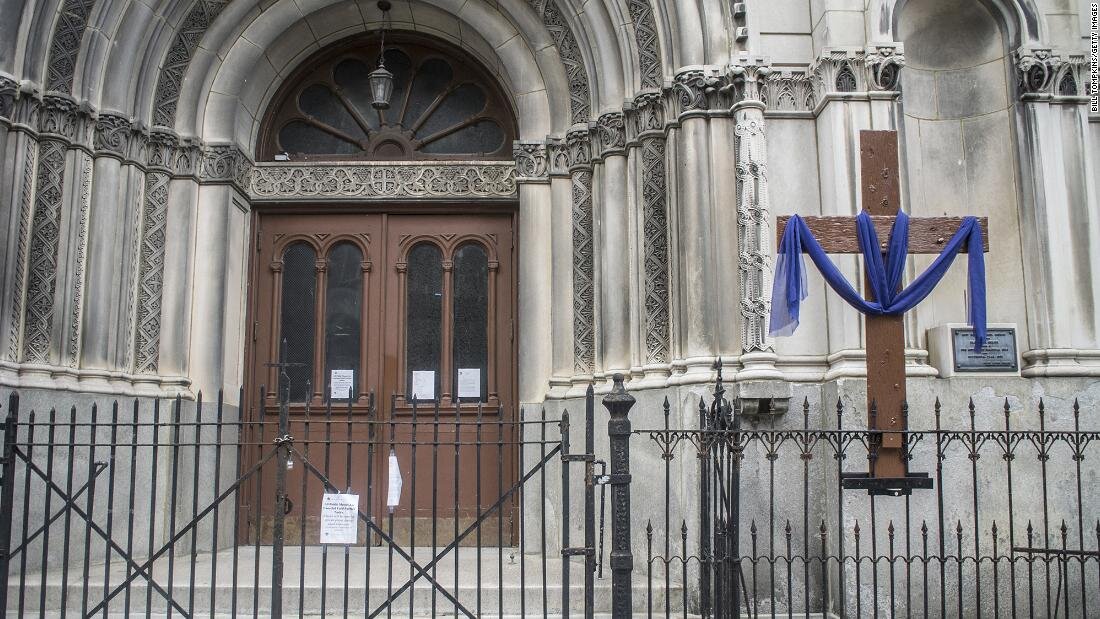
November 25, the Supreme Court ruled in favor of the Christian and Jewish religious groups contested COVID-19 restrictions in New York. Despite rising cases and continued deaths in New York and the rest of the US, the conservative majority argued that Governor Cuomo’s restrictions attacked the religious freedom guaranteed by the First Amendment. They argued that communal worship is more important than countless American lives.
Read MoreBy: Martina Aucejo
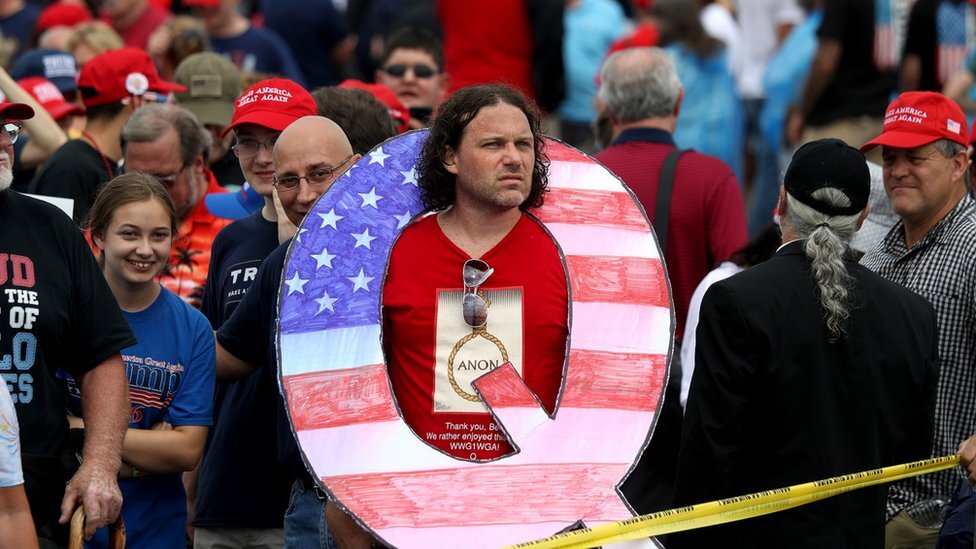
A couple of days ago, I saw “Qanon” in my newsfeed once again. Qanon seems to be everywhere nowadays. To define it most simply: Qanon is a conspiracy theory that according to BBC, claims that U.S. President Donald Trump is waging a war against “elite Satan-worshipping pedophiles in government, business and the media”.
Read MoreBy: Katie Harbaugh
I know the last thing you probably want to read right now is another coronavirus article. I totally understand that--this virus has been the focus of most media for almost a year. However, with novel vaccines just having been developed by two companies (Moderna and Pfizer), the tides seem to be changing.
Read MoreBy: Emma Ramon
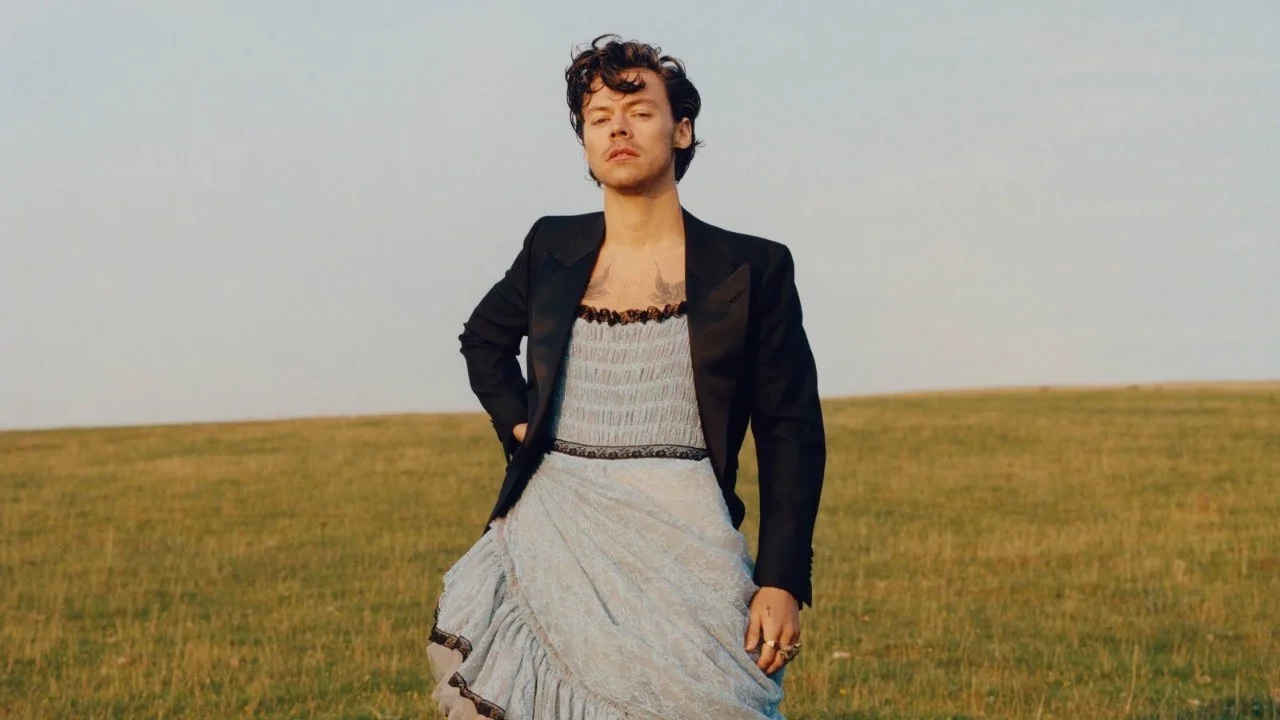
Harry Styles recently made history by becoming the first man to be on the cover of Vogue USA alone. Even more groundbreaking, he did so in a ballgown. Many applauded Styles for his stylish defiance of societal norms, but conservative author Candace Owens had a different reaction. Owens took to social media and voiced her opinion on the matter, asking people to: “Bring back manly men.”
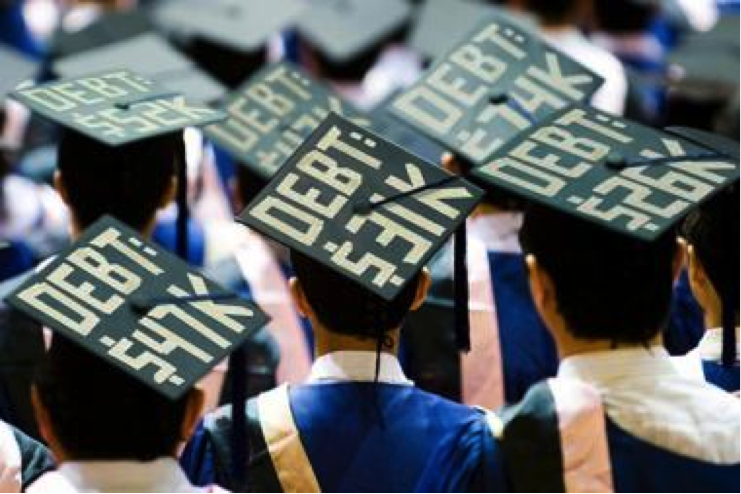
Read MoreShould college tuition be free? It is a very appealing idea, however, it does have some major flaws. This has been a constant debate topic for many people in our community. In this article, I will go over the several arguments that have been consistently made about the mansion when it comes to this topic.
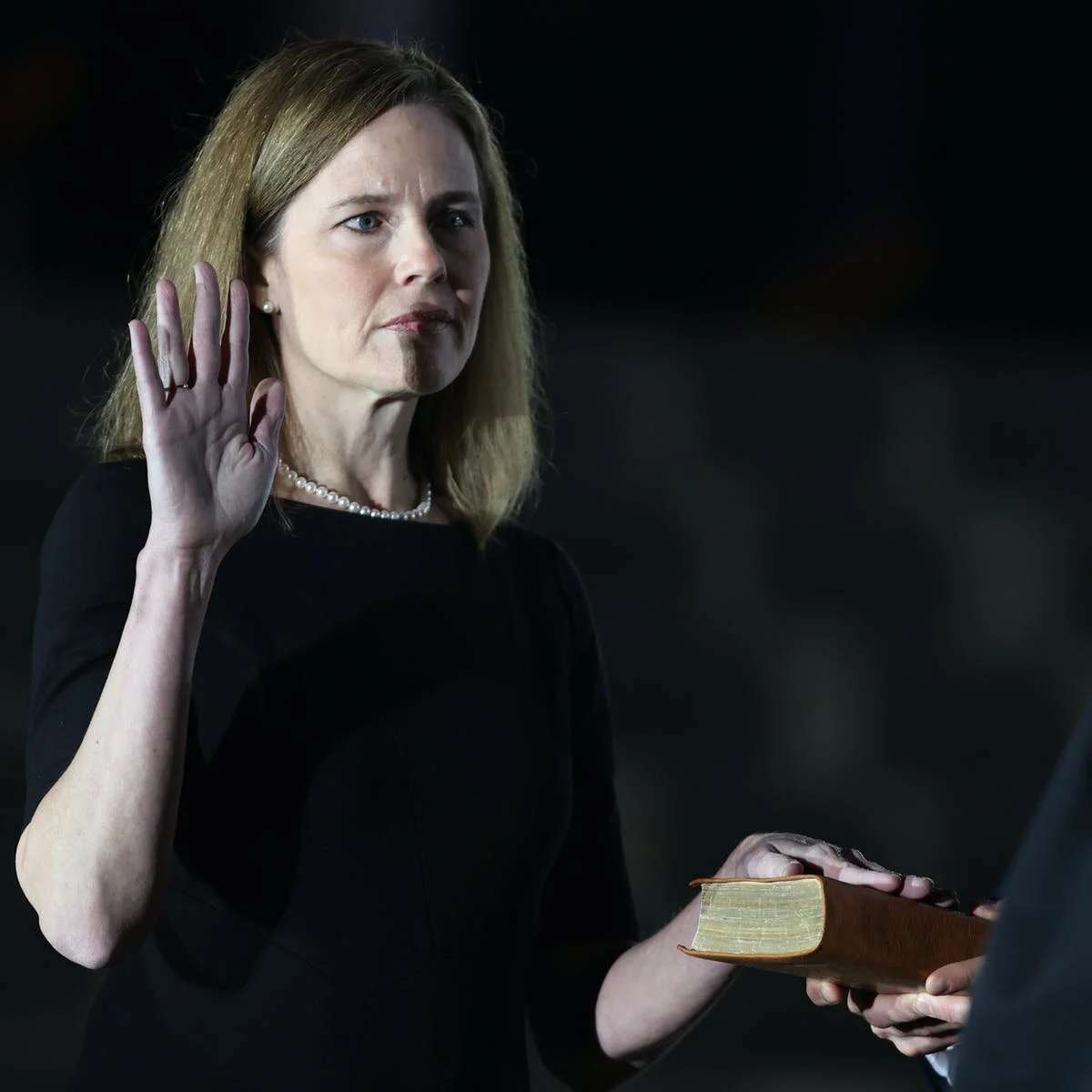
Read MoreThe United States Senate proceeded with the confirmation hearing process for federal judge Amy Coney Barrett on Monday, October 12, 2020 after President Trump nominated her to fill the vacant seat left by late liberal icon, Justice Ruth Bader Ginsburg.
Read MoreSince the beginning of 2020, over 3.5 million acres have been ravaged across the state of California by over 8,000 wildfires, making it a record year. The West Coast has been experiencing the worst air quality in the world for the past few weeks. This all makes us wonder, what has been causing these wildfires in this area?
Read MoreThe U.S. Constitution signed in 1787 is arguably one of the most defining pieces of American history. It laid the foundations for our country’s government and laws. Today, many of us enjoy the freedoms that we have in this country without giving much thought. We must progress forward, not regress backward.
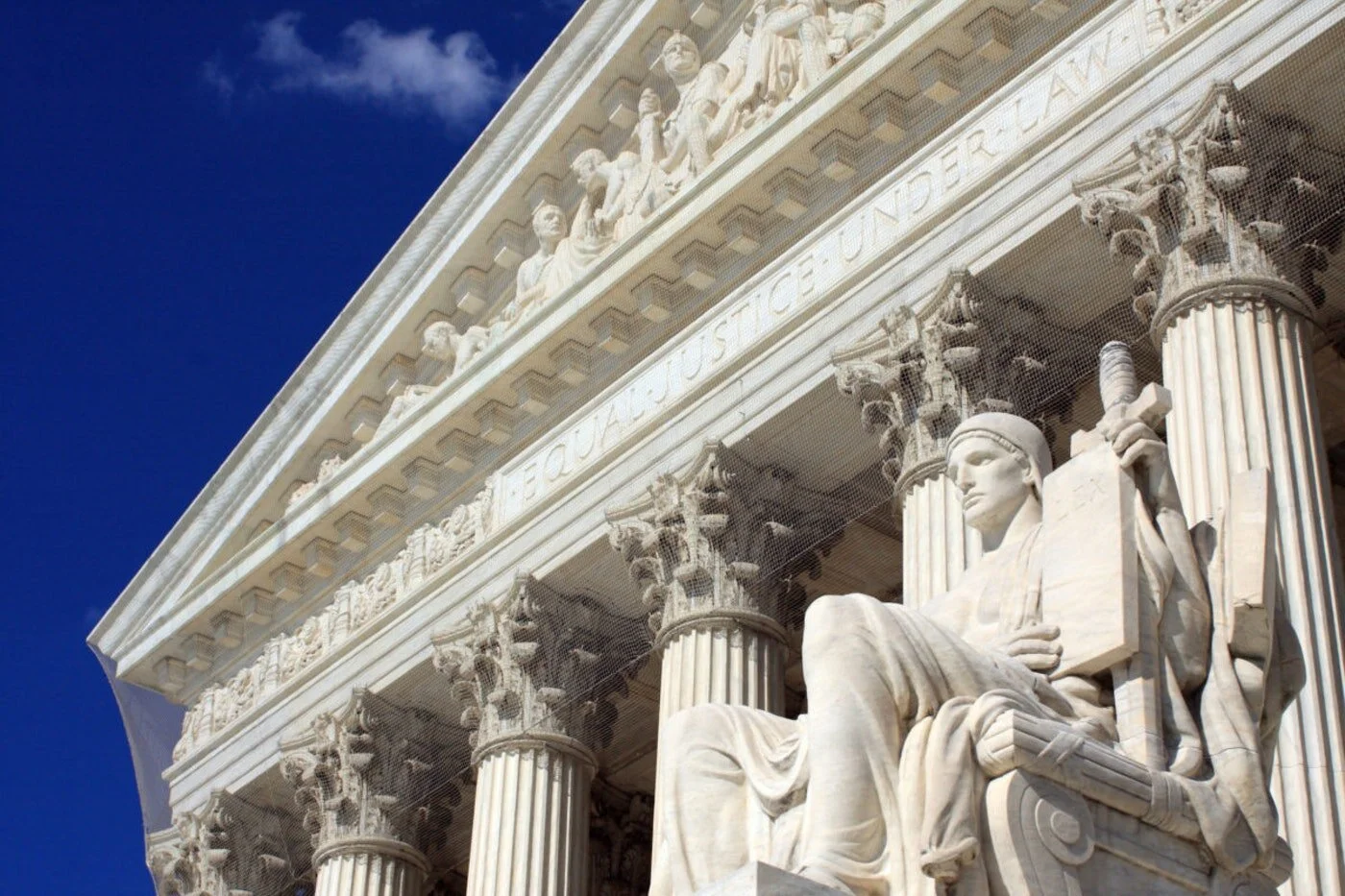
Read MoreThe Judicial branch has been the most revered, and most often forgotten about, part of the American government. Before the 70s, judges were voted in almost unanimously, simple rubber stamps to whoever the president was. These types of judges were mere checks on the rest of the federal government, preventing it from expanding its power too much.
Read More