Global Policy Feedback
This decentralized structure of cryptocurrencies is a key factor behind ransomware’s rise as a global threat. Ransomware operates beyond national boundaries, targeting individuals and organizations across nearly every country. With the rapid growth of globalization in the 21st century, digital systems have become deeply interconnected across both geographic and industrial sectors—making it possible for a single ransomware incident in one area to cause widespread disruption throughout an entire industry.
Read More
Ransomware's True Impacts
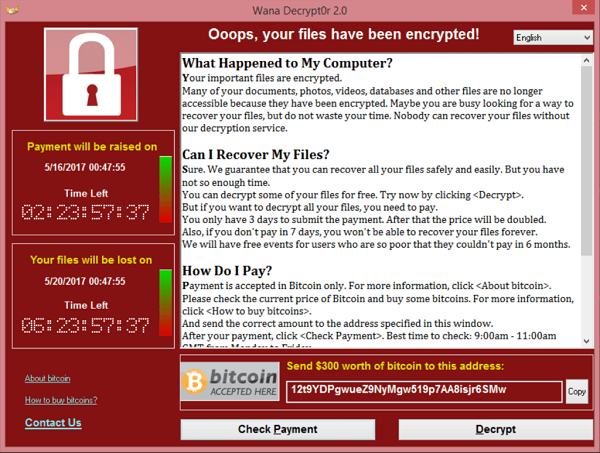
Ransomware is a type of malicious software used for digital extortion, which encrypts or restricts access to a victim’s data and demands payment to restore it—or threatens to release stolen information if the ransom is not paid.
Read More
The Economics Behind Ransomware: Cryptocurrencies and Outward Financial Effects
Cryptocurrency plays a pivotal role in ransomware, providing cybercriminals with a payment method that operates beyond the control of conventional banks and regulatory systems. Unlike standard wire transfers that pass through intermediaries capable of detecting or blocking suspicious activity, decentralized currencies such as Bitcoin and Monero allow transactions to occur without centralized oversight.
Read More
Relevant Cybercrime Examples
Two of the most prominent and threatening ransomware organizations operating today are Conti and REvil—both of which rely heavily on the Ransomware-as-a-Service (RaaS) model. Rather than being lone hackers, these groups function like structured corporations, complete with teams of developers, negotiators, and even public relations specialists.
Read More
Ransomware Attack Structure: Defining the Threat
Ransom amounts demanded by attackers have increased in both size and sophistication. The most common entry methods for ransomware are deceptive phishing messages, exploitation of unpatched software flaws, and abuse of Remote Desktop Protocol (RDP) weaknesses.
Read More