By: Dakota Taufeeq
The collective goods problem can be described as the problem of how to provide something (goods, services, etc) that benefits every member of a group regardless of what and how much each member contributes to it.
Read MoreBy: Dakota Taufeeq
The collective goods problem can be described as the problem of how to provide something (goods, services, etc) that benefits every member of a group regardless of what and how much each member contributes to it.
Read MoreBy: Kaila Morris
In Singapore’s Supertree Grove, fifty-meter-high gardens tower above the sidewalks like trees–– but rather than having a woody composition, each trunk is fortified by surpluses of vibrant plants. This latticework of flowers and ferns awes visitors as it travels upwards, branching off into a scientific beauty: a canopy of metal branches, curved like an inverted umbrella, that converts sunlight into energy.
Read MoreBy: Shruthika Araselvan
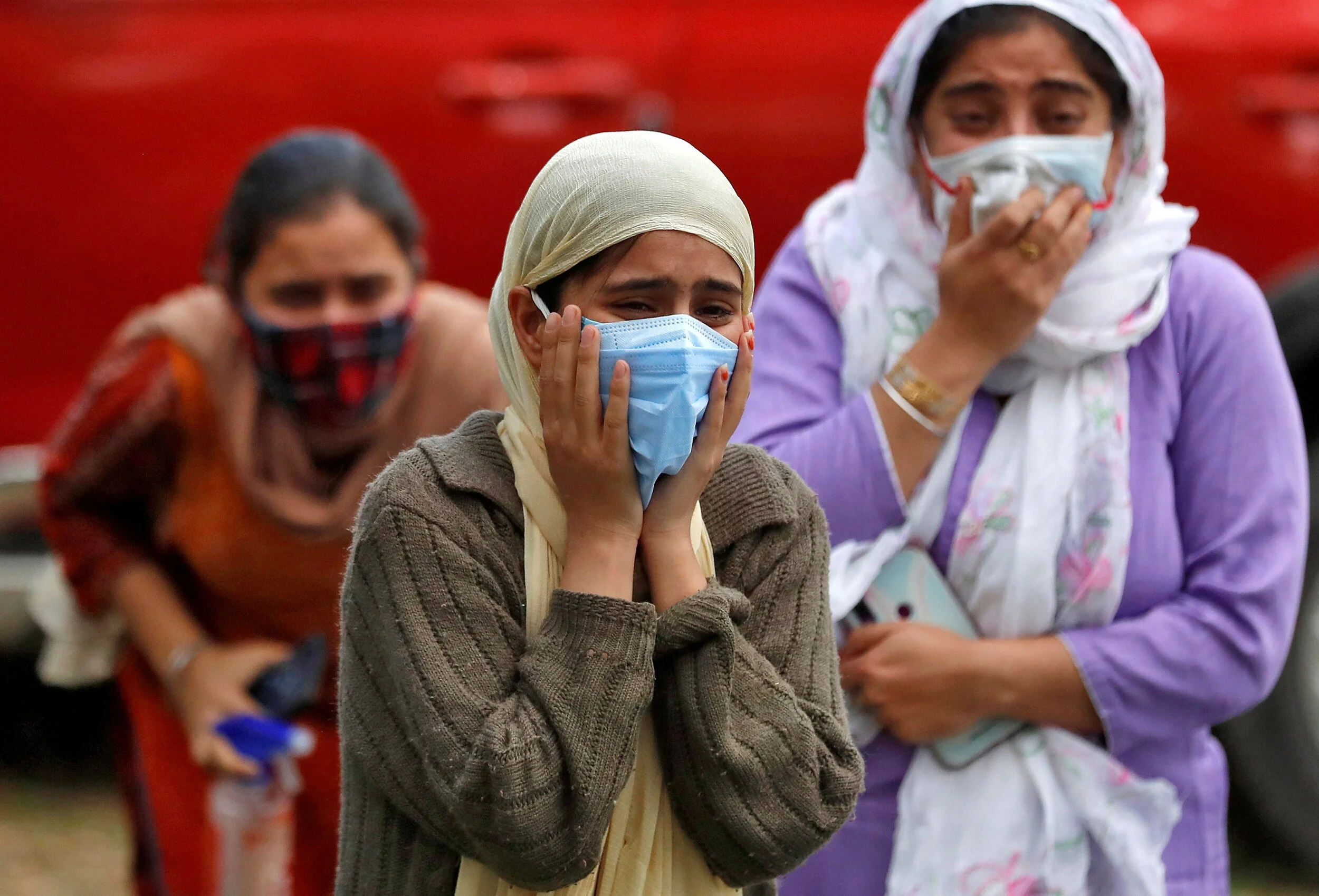
Throughout the pandemic, numerous countries have suffered from surges in COVID-19 cases. Recently, due to the increased vaccination rates, many countries have been able to curb the spread of COVID. However, this is not true for India.
Read MoreBy: Jennifer Lee
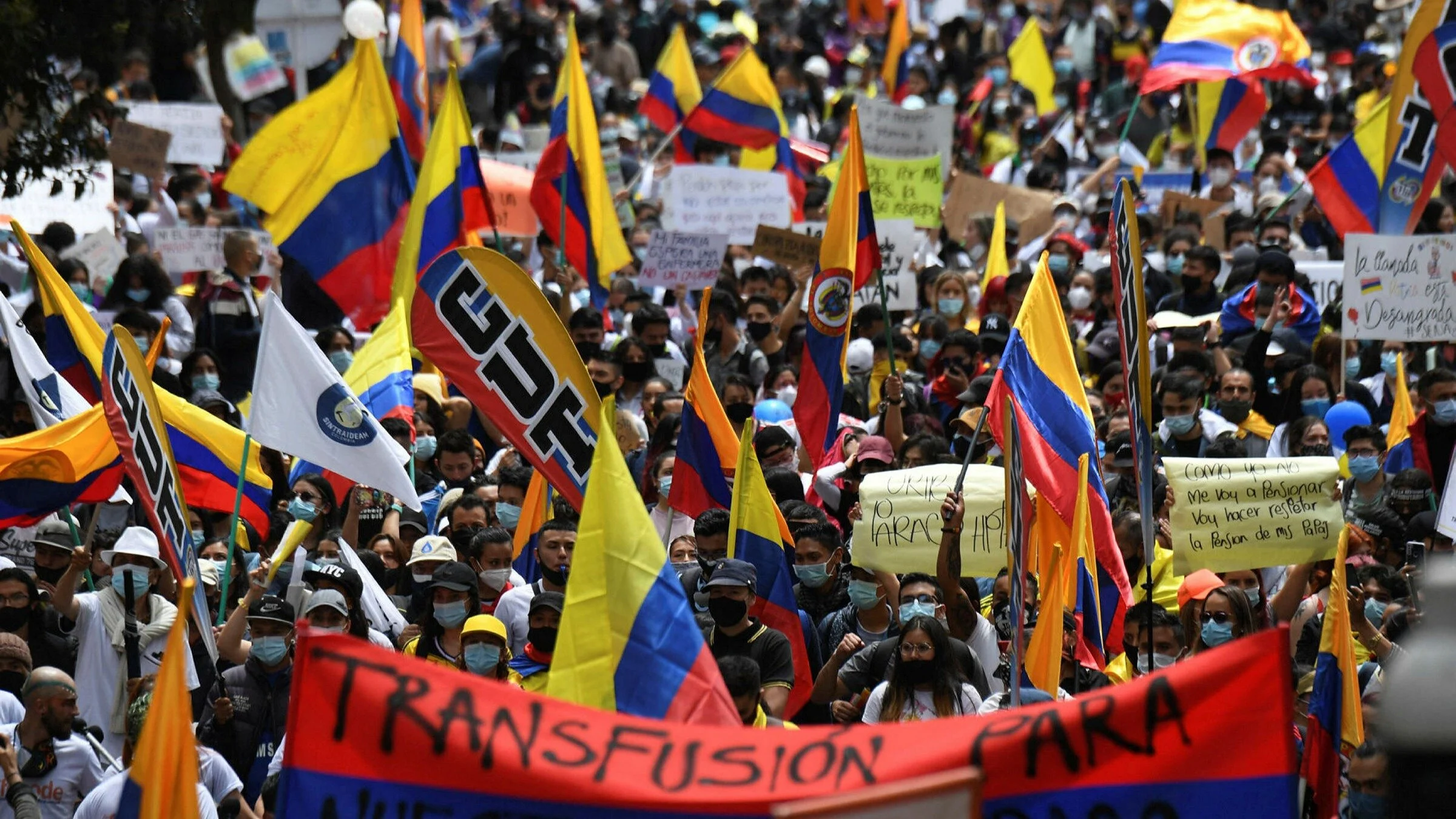
The pandemic has been stressful for all of us, but in Colombia, violent protests against President Iván Duque’s tax overhauls, have many citizens living in fear.
Read MoreBy: Brady Condon
One of the biggest problems facing democracy today is rampant corruption. We can see it all over the world. However, no region faces more corruption than Latin America. Brazil, Latin America’s largest country, is no stranger to corruption.
Read MoreBy: Holly Ji
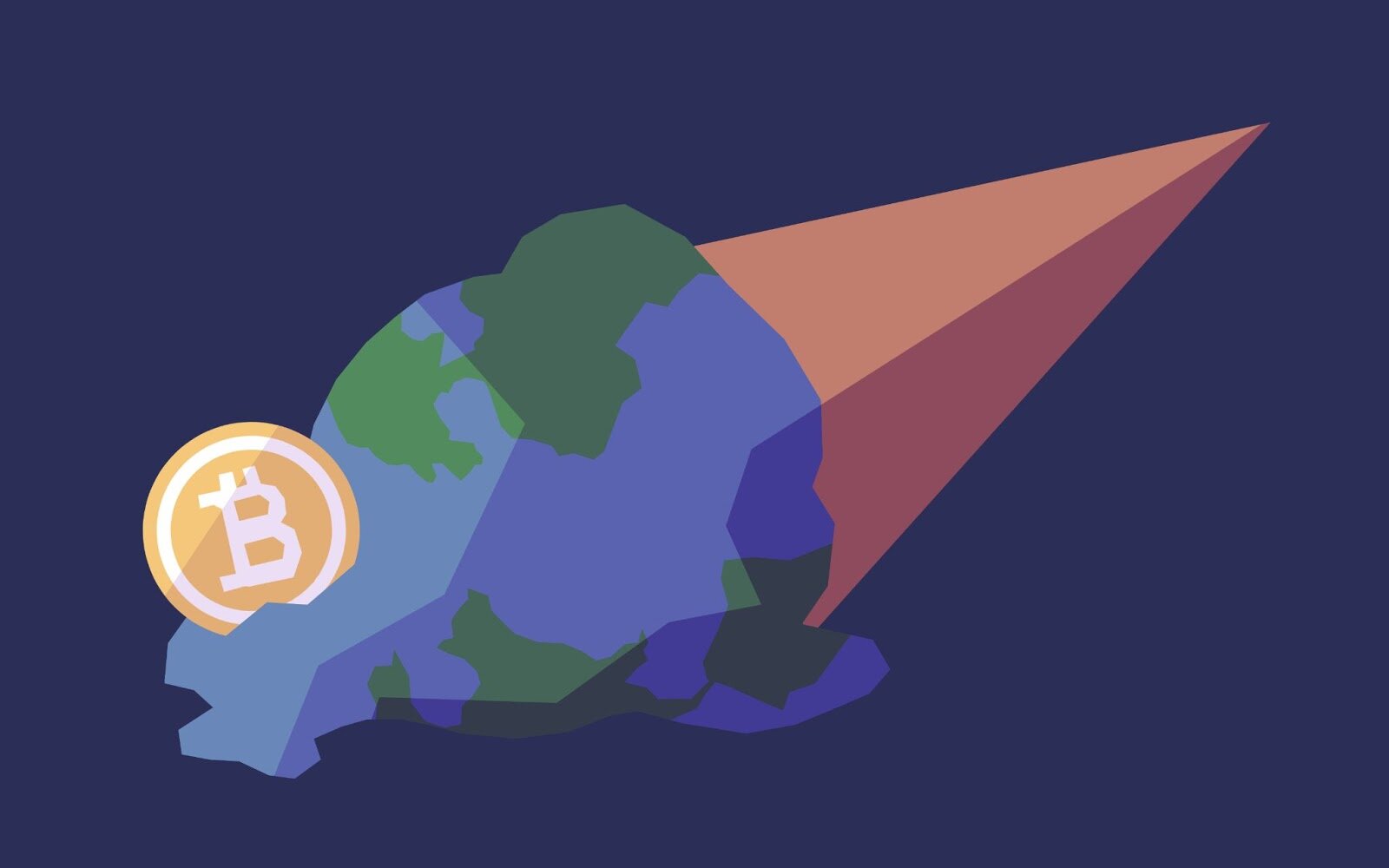
Want to get rich quick? Be sure to invest in cryptocurrencies that are not only the hottest new trend but the hottest nightmare for the environment. Capitalism has welcomed the sudden surge of NFT, or nonfungible token, production and trade. From a “CryptoCrisp” pringles flavor to Gorillaz, ironically a band notorious for its anti-capitalist themes, announcing their soon-to-be-released NFT collection, it’s safe to say NFTs are popular.
Read MoreBy: Jennifer Lee
Recently, scientists from China and the United States have been experimenting with growing human-monkey embryos. While we are still a long way from successfully creating a human-monkey organism, the morality of such a decision is important to consider.
By: Jennifer Lee
Social media has become a huge part of our lives. It’s almost impossible to not have to use it, especially during quarantine. While there are many benefits to social media, there are also some downsides to it.
Read MoreBy: Victoria Hristova
The Amazon is home to animals, plants, and 20 million people. To help protect it all, the Brazilian government made a commitment to put a stop to illegal deforestation by 2030 as a part of the Paris Climate Agreement. However, while the goal was to have at most 3,925 square kilometers of trees cut down in 2020, by July, 4,700 square kilometers were already gone.
Read MoreBy: Colleen Cannistra
One of the first things you are taught on the journey of becoming a doctor is the Hippocratic Oath. Essentially, under this oath, you pledge to “…prescribe only beneficial treatments, according to his abilities and judgment; [and] to refrain from causing harm or hurt” (Britannica). Until recently, this practice has helped guide physicians everywhere from right and wrong. But what if it isn’t that simple?
Read MoreBy: Bobin Park
Yesterday, I tried to write with my left hand / They looked like those of a 5-year-olds’ / Scribbly, with no correct starts and ends / Twisted, turned around, conjuring new words / From far away lands, rhyming and bouncy syllables
Read MoreBy: Jennifer Lee
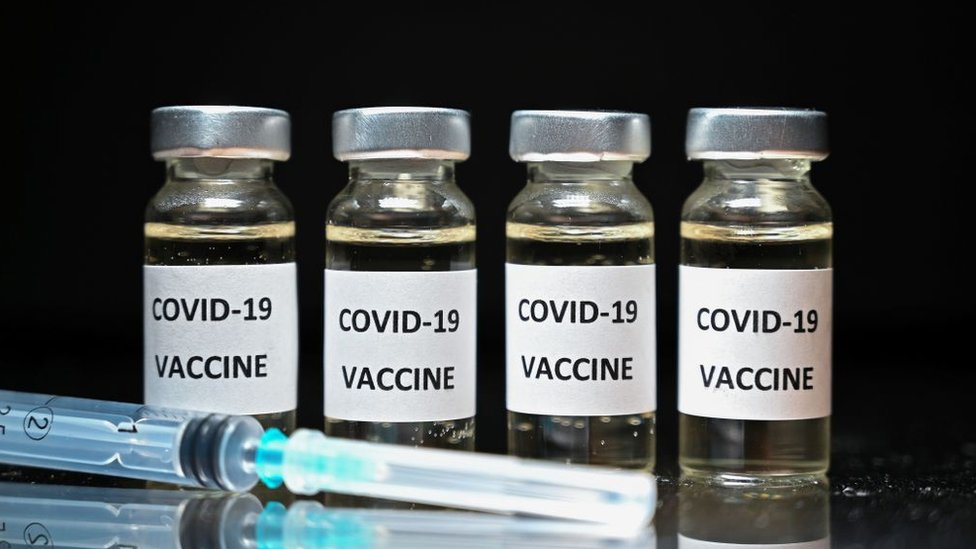
Since the first vaccine was created, people have come up with myths about them. However, many of the myths do not properly represent the effects vaccines have. Vaccines were made to prevent diseases and make it less likely for people to contract the disease. This is done by injecting the virus causing the disease. The virus is weakened to the point where it won’t harm the person.
Read MoreBy: Emily Qian
There once was a man in Texas, / Named senator by state consensus, / But while his people suffered the cold,
Read MoreBy: Sarah Son
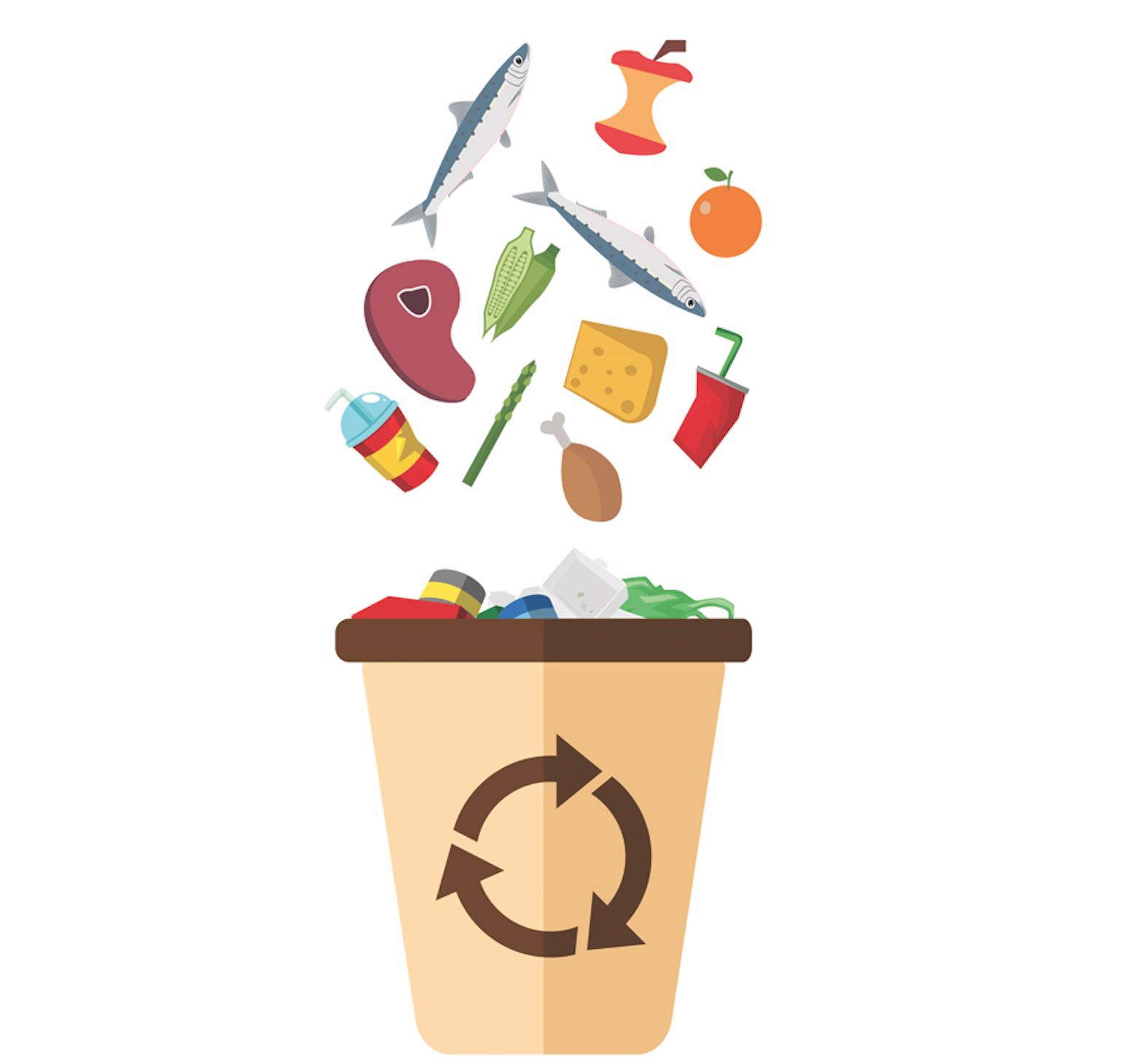
Food waste is a much bigger problem than many people realize. Every year, 125 to 160 billion pounds of food are wasted, while most of it is both edible and nutritious. You may ask, “we’re composting this food, right?” Well, not exactly. Only 5% of discarded food can be composted, and the rest goes to solid waste.
Read MoreBy: Rhea Mahajan
There are 1.366 billion people that live in India - that means 171.9 people per square mile, a ridiculously large number compared to the United States’ population density of 13.5. Of course, having a large population comes with its challenges. Currently, the most pressing issue is how the Indian state plans to roll out a Covid-19 vaccine for all its citizens.
Read MoreBy: Meredith Stewart
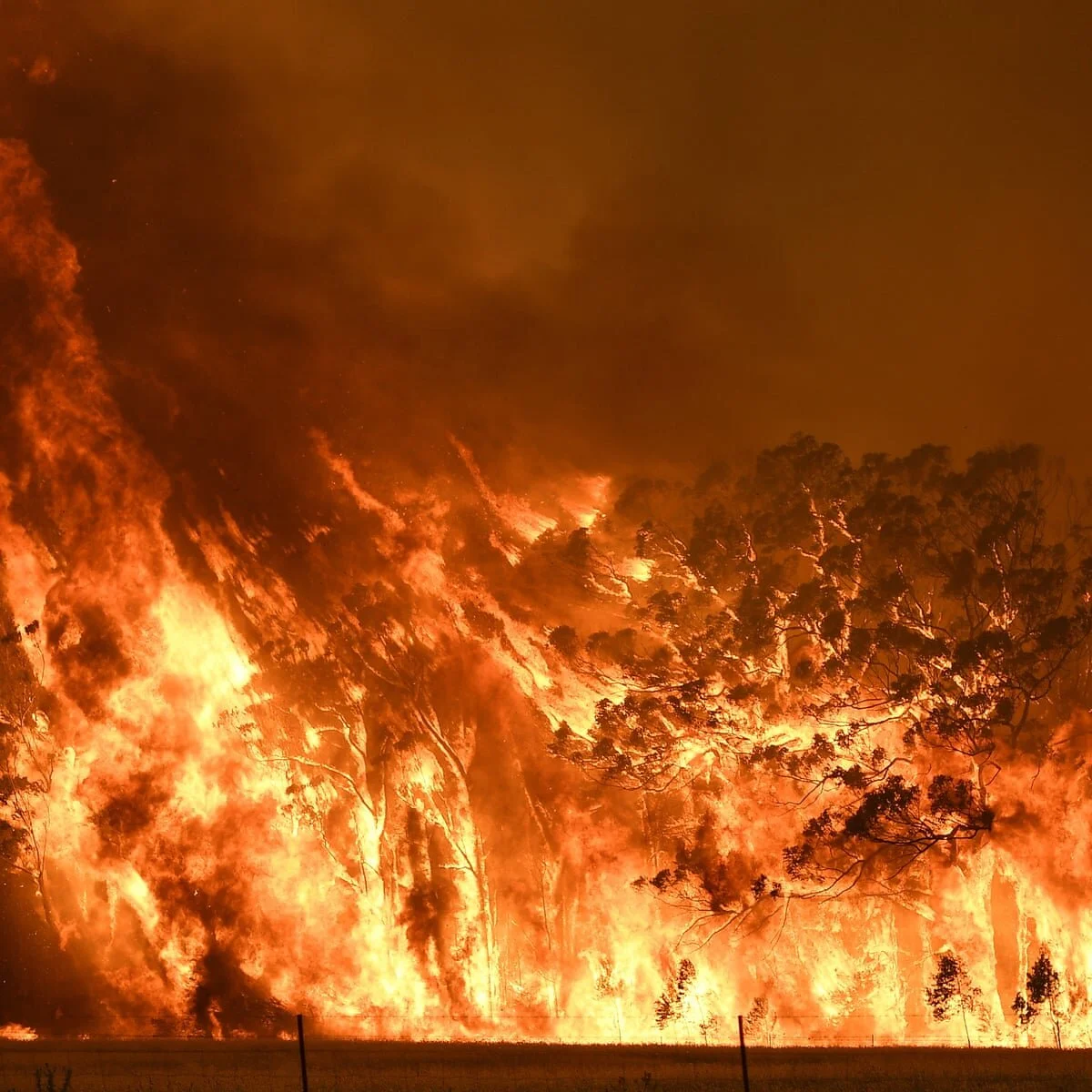
It would be an understatement to say that 2020 was one hell of a year...literally. We started the year on the verge of World War III and ended it just before the first ever storming of the Capitol building by America’s own citizens. If there’s one story that stayed consistently in the news before being overshadowed by a new virus found in Wuhan, China, the potential impeachment of President Trump, or murder hornets migrating to North America, it was the story of raging wildfires.
Read MoreBy: Christine Nam
A strifeless life / Is it worth it? / Will this be for naught? / With every work submit / Will they get me closer to a yacht?
Read MoreBy: Sarah Son
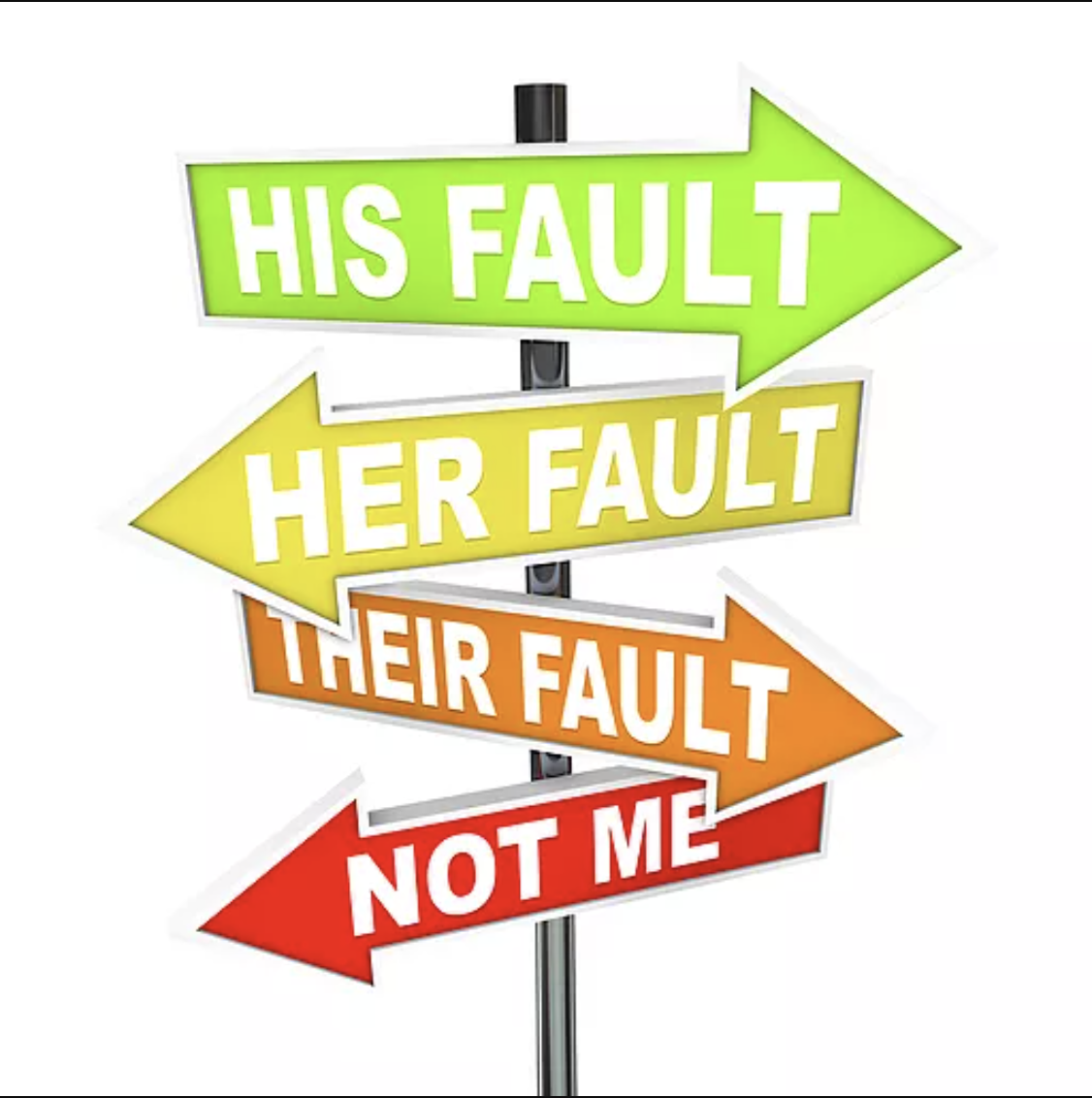
“Great minds discuss ideas. Average minds discuss events. Small minds discuss people.” To be specific, these small minds are fault-finders, which according to the Merriam-Webster dictionary, are people who habitually find fault, complain, or object, especially in a petty way.
Read MoreBy: Phillip Seo
After over nine months of prolonged suffering, isolation, death, economic collapse, and the discomfort everyone has felt, the world has finally reached a milestone in overcoming this pandemic. The world can anticipate the return of normality of hanging out with family and friends, being able to interact with people more closely without having to practice social distancing, and being able to go out without having to wear a mask.
Read MoreBy: Rosaline Dou
When I was 16, I moved to the US and renamed myself “Rosaline.” In my hometown, Wenzhou, China, my teachers told me I needed an English name when studying in an English-speaking country to avoid having an outsider status. I finally chose "Rosaline" because its meaning of soft and tender resonated. I saw it as a fresh start, an opportunity to fit in.
Read More