Constructivism; North Korea, USA, and Nuclear Weapons
By: Eva Kroh
Emerging from the fall of the USSR in the 1990s, the social theory of constructivism explores how states interact with each other in relation to each actor's own interest. At its core, constructivists examine the social interactions with other actors and how this forms an identity of the actor or state. Contrary to other dominant international theories, like realism, which heavily rely on the principle of dominance, constructivists fundamentally believe in the principle of identity to explain each actor's behavior.
Read More
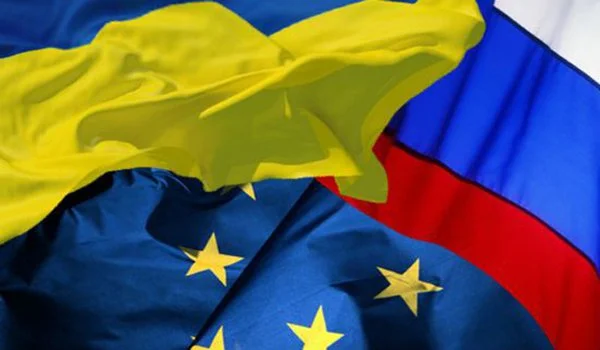
Economic Policy of the Russia-Ukraine Conflict
By: Eva Kroh
Economic policy is the reasoning behind a government/state's actions to influence another state, city, or people. On Thursday, Feb 24, 2022 Russia invaded sovereign Ukrainian territory. Previous to this invasion USA intelligence had watched as hundreds of thousands Russian troops and blood banks lined the Ukraine-Russia border. It was clear that Russia was planning an invasion.
Read More
Remember Their Names: Comfort Women
By: Bobin Park
In 1910, the Japanese annexed the Korean Empire, reverting it to Joseon, also called Chosŏn (Blakemore 2020). Today, the Imperial Japanese occupation is still a haunting memory of the past for Korean senior citizens. Especially to the women.
Read More
Ukraine and Russia Conflict
By: Eva Kroh
In February 2014 tensions in and around Ukraine's capital city of Kyiv erupted in protest over President Viktor Yanukovych’s rejection of economic integration with the European Union (EU). Some had interpreted these protests as a signal of the Ukrainians desire to assimilate and embrace western European ideals, and separate Ukraine from their previous Soviet Union ties. This uproar caught the attention of many actors and states globally, specifically, Russia.
Read More
COP26
By: Elsa Plank
The 26th Climate Change Conference of the Parties (COP26), hosted by the UN, ended on November 13. Held in Glasgow from October 31 to November 13, 2021, it was the first COP summit in almost two years due to COVID-19.
Read More
The Crisis in Afghanistan: What can YOU do to Help?
By: Katie Harbaugh
As a follow up to my past article about the current crisis in Afghanistan and how the US has been involved, I wanted to provide a list of links and resources for people to help refugees leaving Afghanistan.
Read More
Collective Goods Problem: China, Haiti, France
By: Dakota Taufeeq
The collective goods problem can be described as the problem of how to provide something (goods, services, etc) that benefits every member of a group regardless of what and how much each member contributes to it.
Read More
The City in a Garden: Meet the Future of Metropolises
By: Kaila Morris
In Singapore’s Supertree Grove, fifty-meter-high gardens tower above the sidewalks like trees–– but rather than having a woody composition, each trunk is fortified by surpluses of vibrant plants. This latticework of flowers and ferns awes visitors as it travels upwards, branching off into a scientific beauty: a canopy of metal branches, curved like an inverted umbrella, that converts sunlight into energy.
Read More
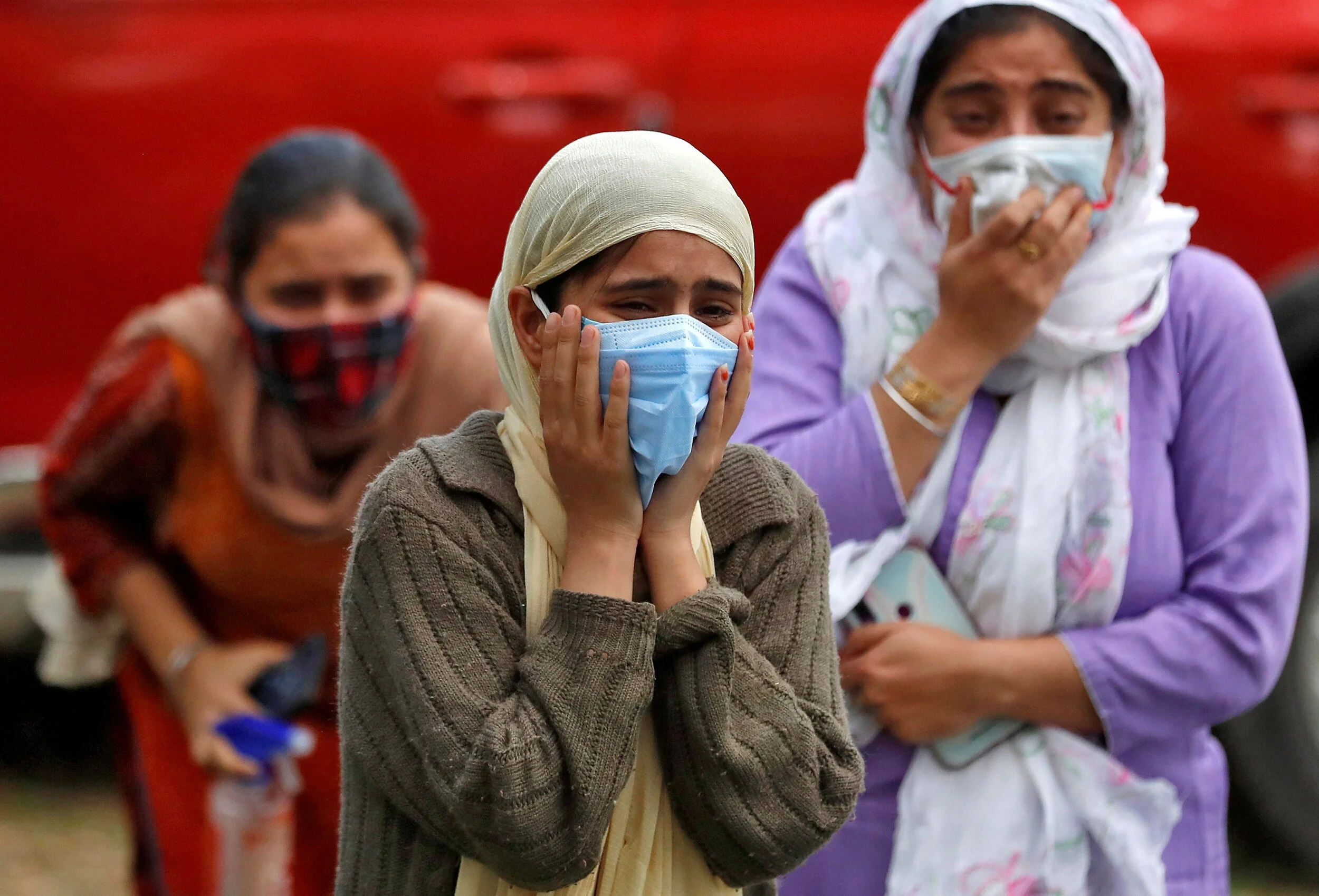
India's COVID-19 Surge
By: Shruthika Araselvan
Throughout the pandemic, numerous countries have suffered from surges in COVID-19 cases. Recently, due to the increased vaccination rates, many countries have been able to curb the spread of COVID. However, this is not true for India.
Read More
Protests in Colombia
By: Jennifer Lee
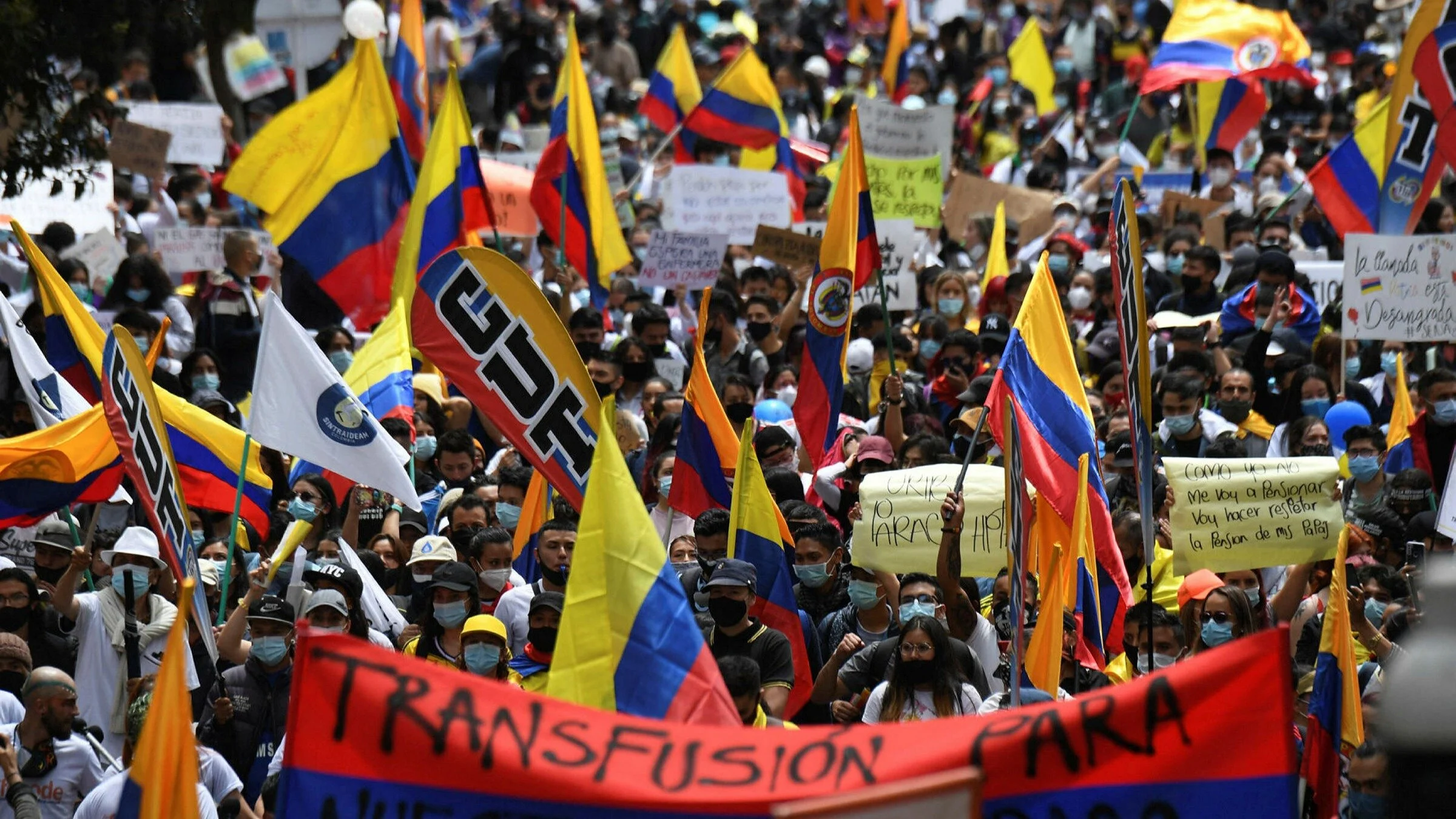
The pandemic has been stressful for all of us, but in Colombia, violent protests against President Iván Duque’s tax overhauls, have many citizens living in fear.
Read More
The Tragedy of Brazil's Anti-Corruption Task Force
By: Brady Condon
One of the biggest problems facing democracy today is rampant corruption. We can see it all over the world. However, no region faces more corruption than Latin America. Brazil, Latin America’s largest country, is no stranger to corruption.
Read More
The Crypto Scam That is Killing Our Planet
By: Holly Ji
Want to get rich quick? Be sure to invest in cryptocurrencies that are not only the hottest new trend but the hottest nightmare for the environment. Capitalism has welcomed the sudden surge of NFT, or nonfungible token, production and trade. From a “CryptoCrisp” pringles flavor to Gorillaz, ironically a band notorious for its anti-capitalist themes, announcing their soon-to-be-released NFT collection, it’s safe to say NFTs are popular.
Read More
Pandora's Box
By: Jennifer Lee
Recently, scientists from China and the United States have been experimenting with growing human-monkey embryos. While we are still a long way from successfully creating a human-monkey organism, the morality of such a decision is important to consider.
Read More
Social Media During COVID
By: Jennifer Lee
Social media has become a huge part of our lives. It’s almost impossible to not have to use it, especially during quarantine. While there are many benefits to social media, there are also some downsides to it.
Read More
The Impacts of Deforestation in the Amazon
By: Victoria Hristova
The Amazon is home to animals, plants, and 20 million people. To help protect it all, the Brazilian government made a commitment to put a stop to illegal deforestation by 2030 as a part of the Paris Climate Agreement. However, while the goal was to have at most 3,925 square kilometers of trees cut down in 2020, by July, 4,700 square kilometers were already gone.
Read More
Physician Assisted Suicide- Giving People the Right to Die with Dignity
By: Colleen Cannistra
One of the first things you are taught on the journey of becoming a doctor is the Hippocratic Oath. Essentially, under this oath, you pledge to “…prescribe only beneficial treatments, according to his abilities and judgment; [and] to refrain from causing harm or hurt” (Britannica). Until recently, this practice has helped guide physicians everywhere from right and wrong. But what if it isn’t that simple?
Read More
Empty Pages
By: Bobin Park
Yesterday, I tried to write with my left hand / They looked like those of a 5-year-olds’ / Scribbly, with no correct starts and ends / Twisted, turned around, conjuring new words / From far away lands, rhyming and bouncy syllables
Read More
Vaccines
By: Jennifer Lee
Since the first vaccine was created, people have come up with myths about them. However, many of the myths do not properly represent the effects vaccines have. Vaccines were made to prevent diseases and make it less likely for people to contract the disease. This is done by injecting the virus causing the disease. The virus is weakened to the point where it won’t harm the person.
Read More
Ted Cruz (A Limerick)
By: Emily Qian
There once was a man in Texas, / Named senator by state consensus, / But while his people suffered the cold,
Read More
A Global Struggle
By: Sarah Son
Food waste is a much bigger problem than many people realize. Every year, 125 to 160 billion pounds of food are wasted, while most of it is both edible and nutritious. You may ask, “we’re composting this food, right?” Well, not exactly. Only 5% of discarded food can be composted, and the rest goes to solid waste.
Read More